Black Panda Isopods
Cubaris sp. "Black Panda"
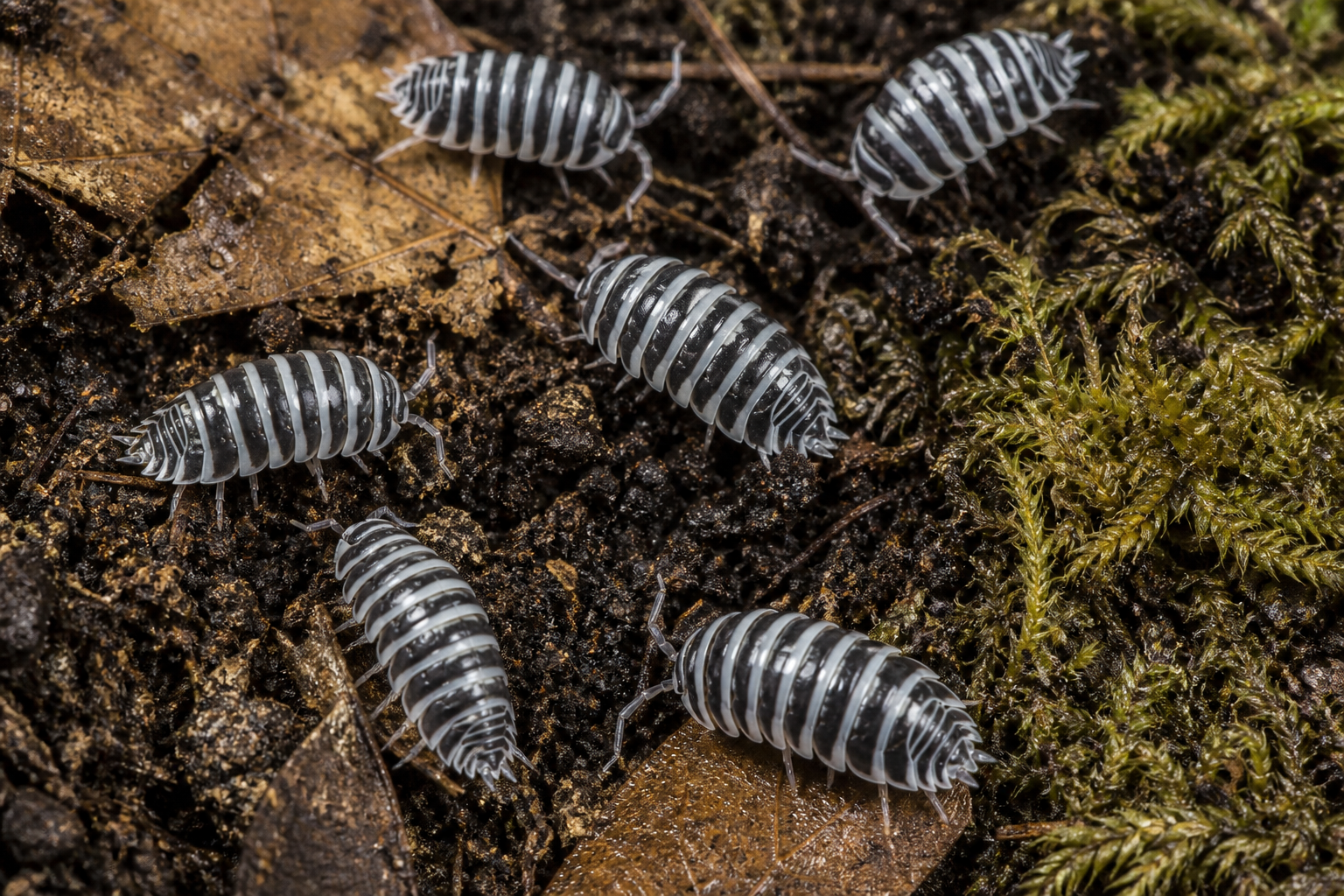
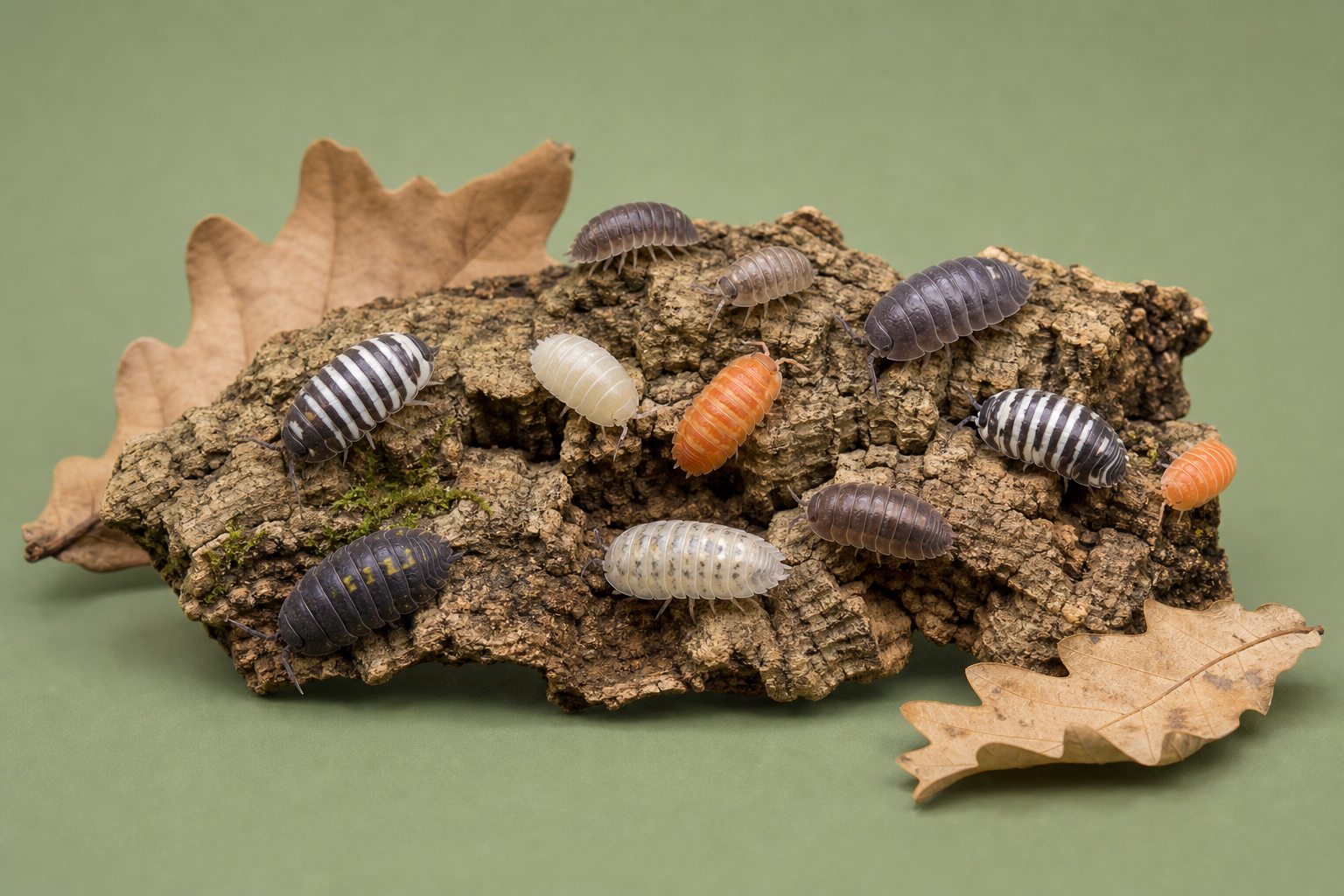
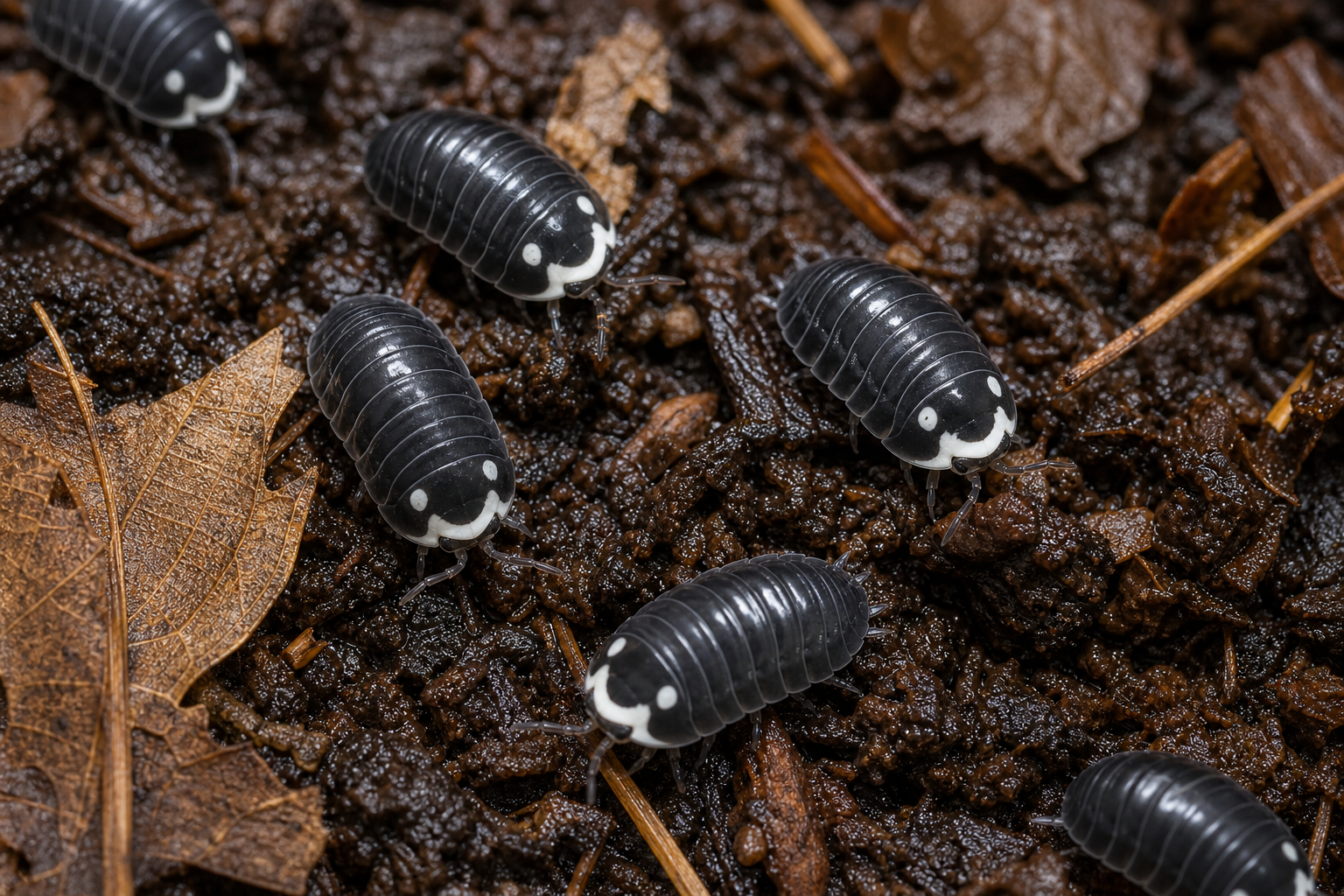
Deep black panda Cubaris with high-contrast white face markings.
Quick facts
- Genus
- Difficulty
- Intermediate
- Temperature
- 22–26°C
- Humidity
- High (75–85%), cross-ventilate
- Adult size
- ~12 mm
- Origin
- Southeast Asia
- Temperament
- Shy, secretive
About this species
Black Panda Isopods (Cubaris sp. 'Black Panda') push the panda pattern toward a darker palette — a near-black exoskeleton with sharp white facial patches. A collector favourite that prefers the same humid, well-ventilated Cubaris husbandry as Panda King and other panda morphs.
- Size:
- ~12 mm
- Enclosure:
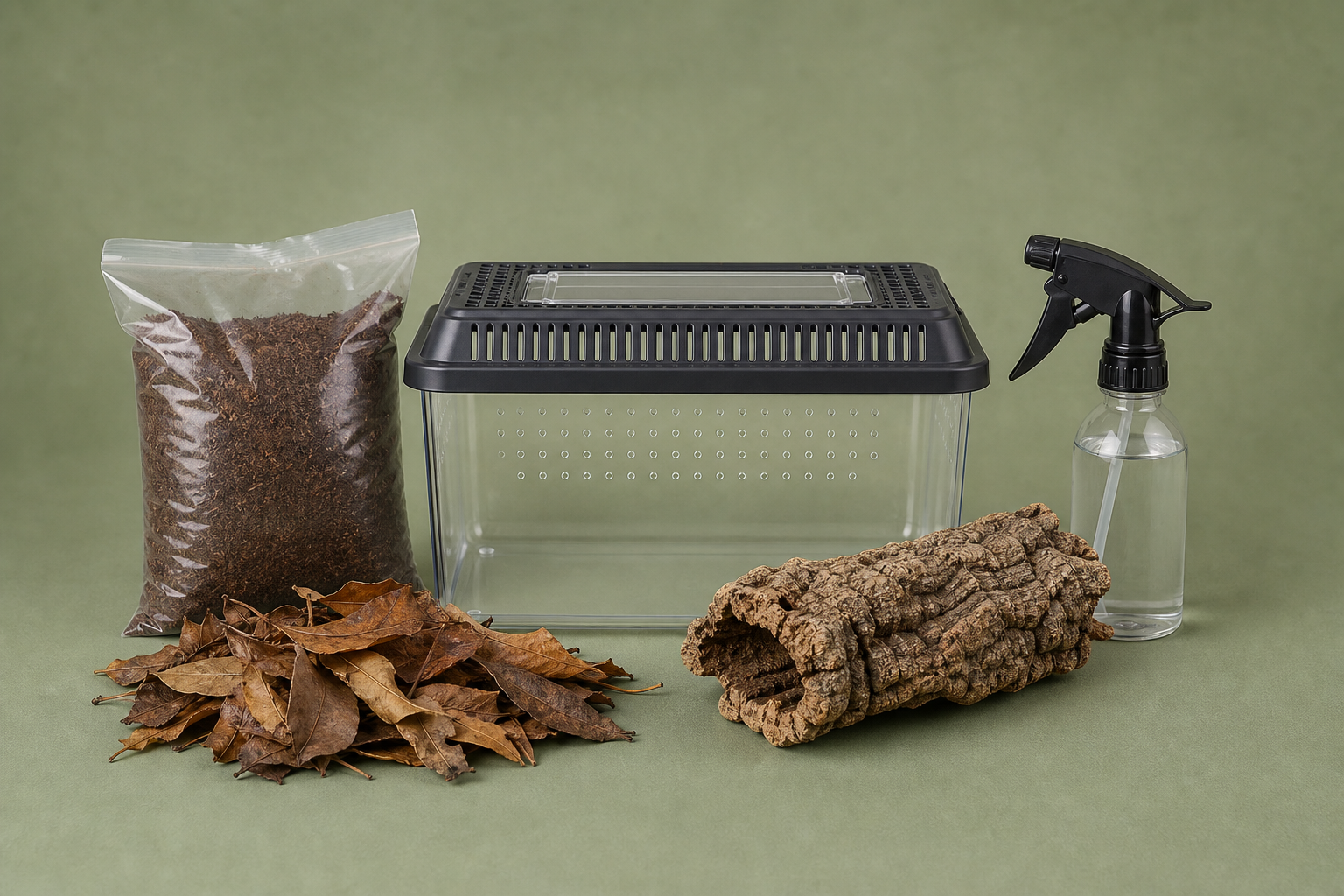
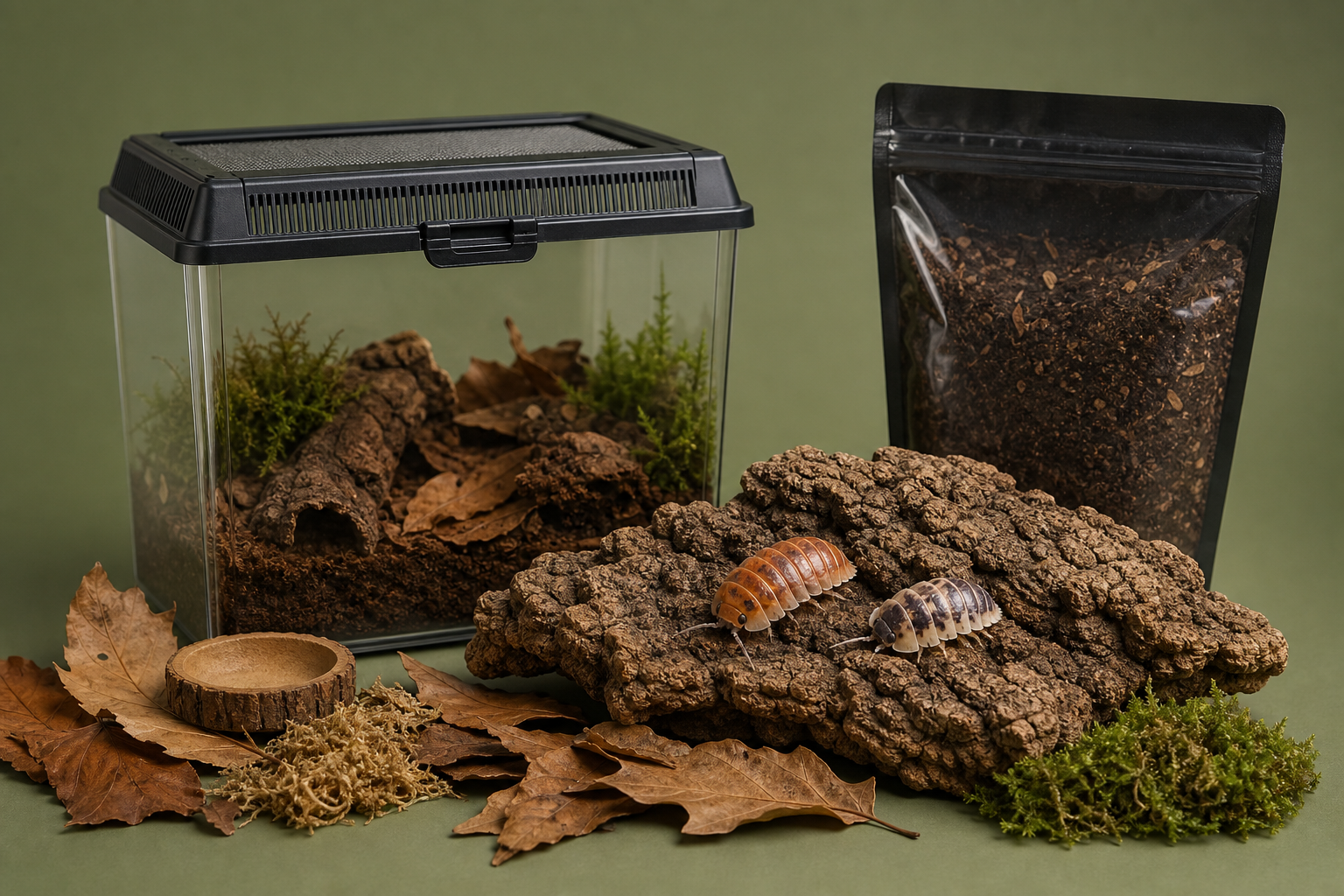
- A well-ventilated plastic bin or glass terrarium with cross-ventilation to keep air from going stagnant.
- Diet:
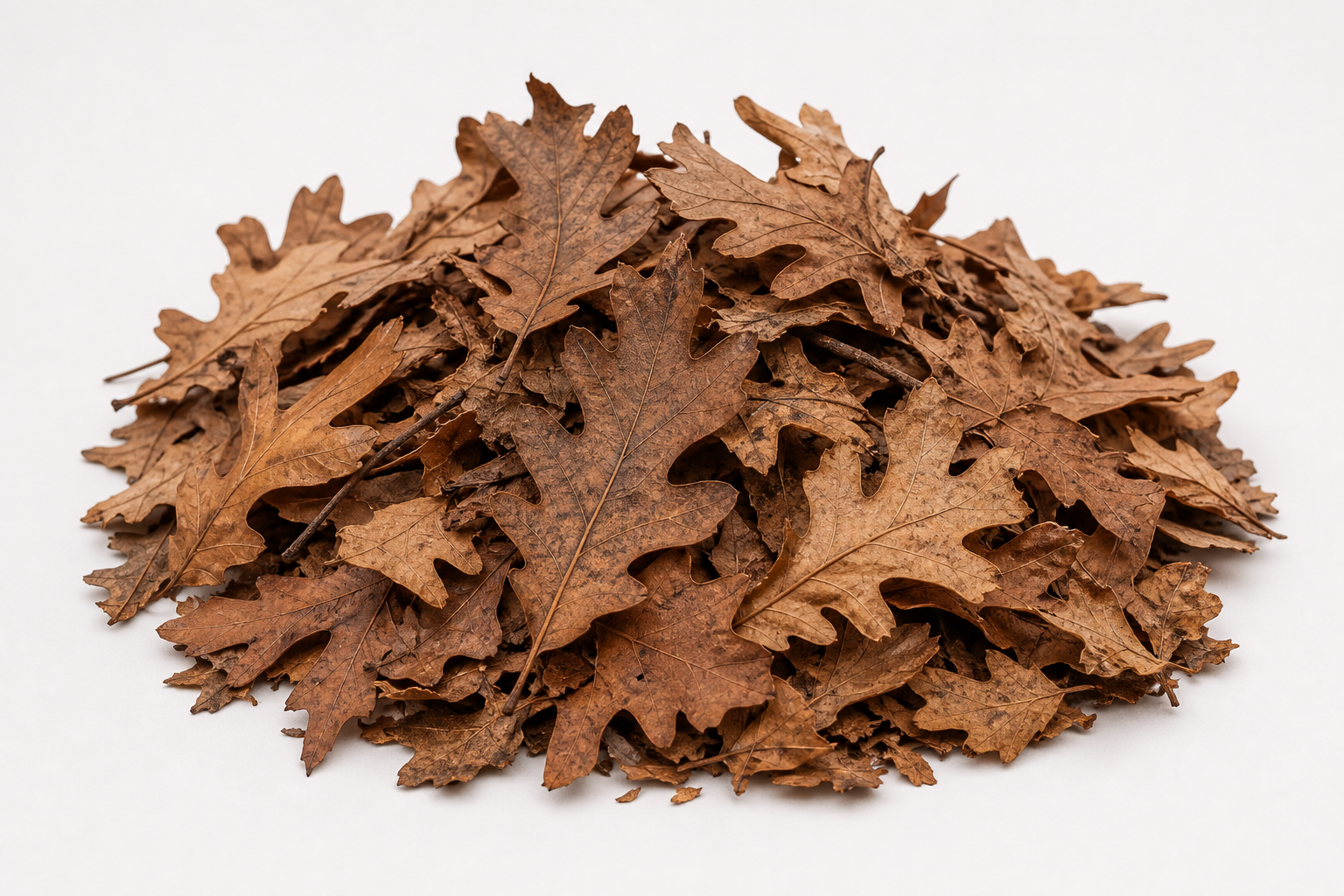
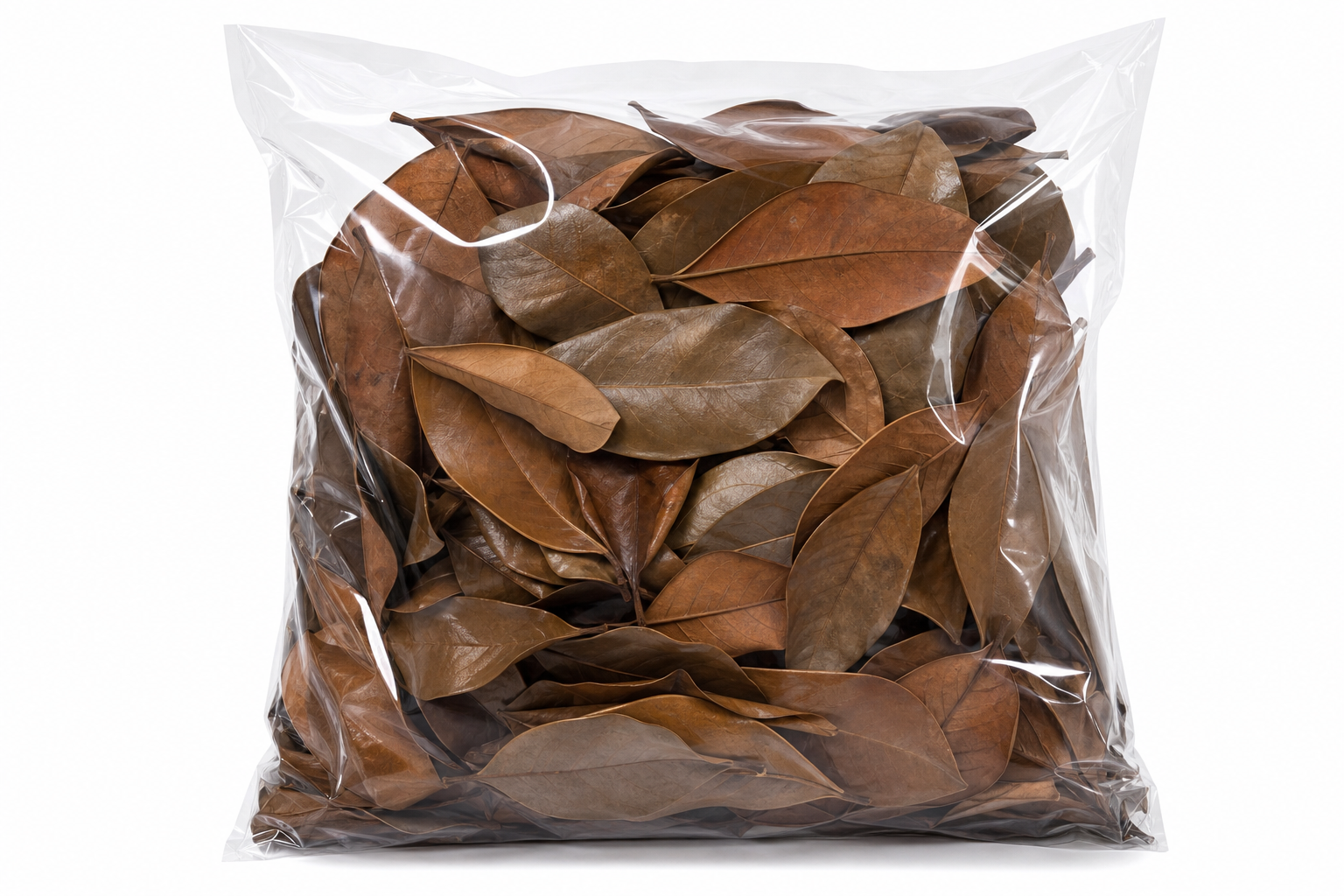
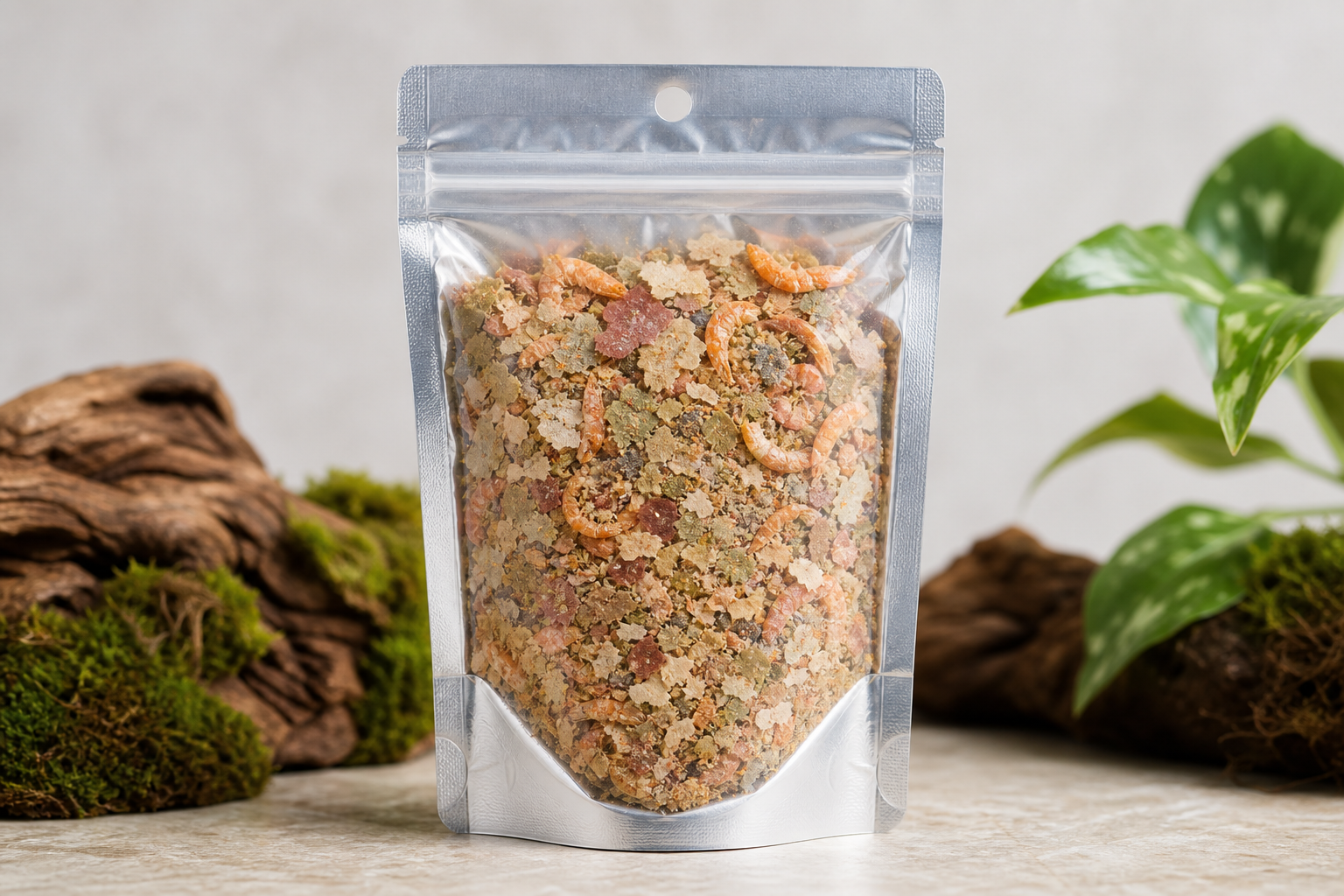
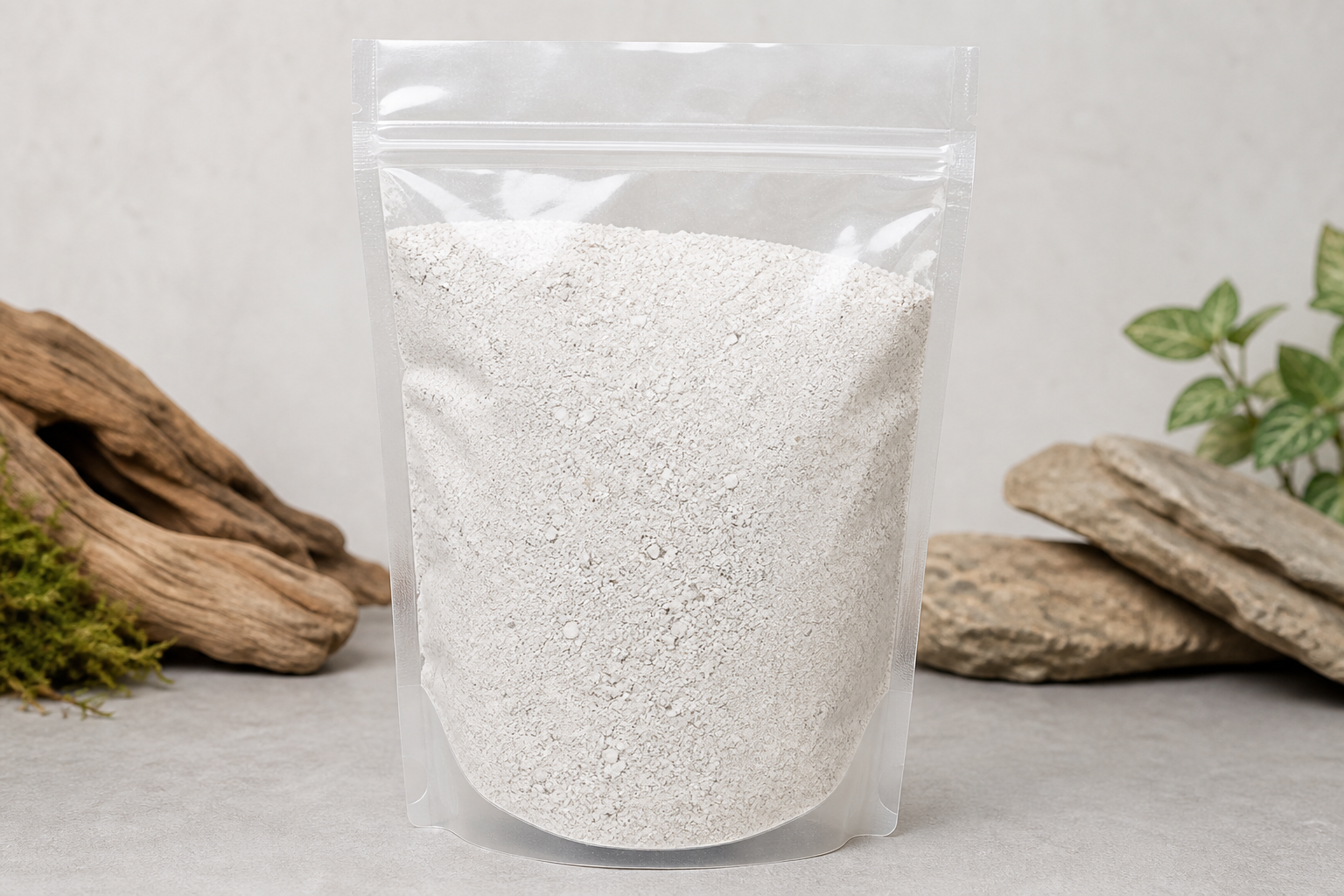
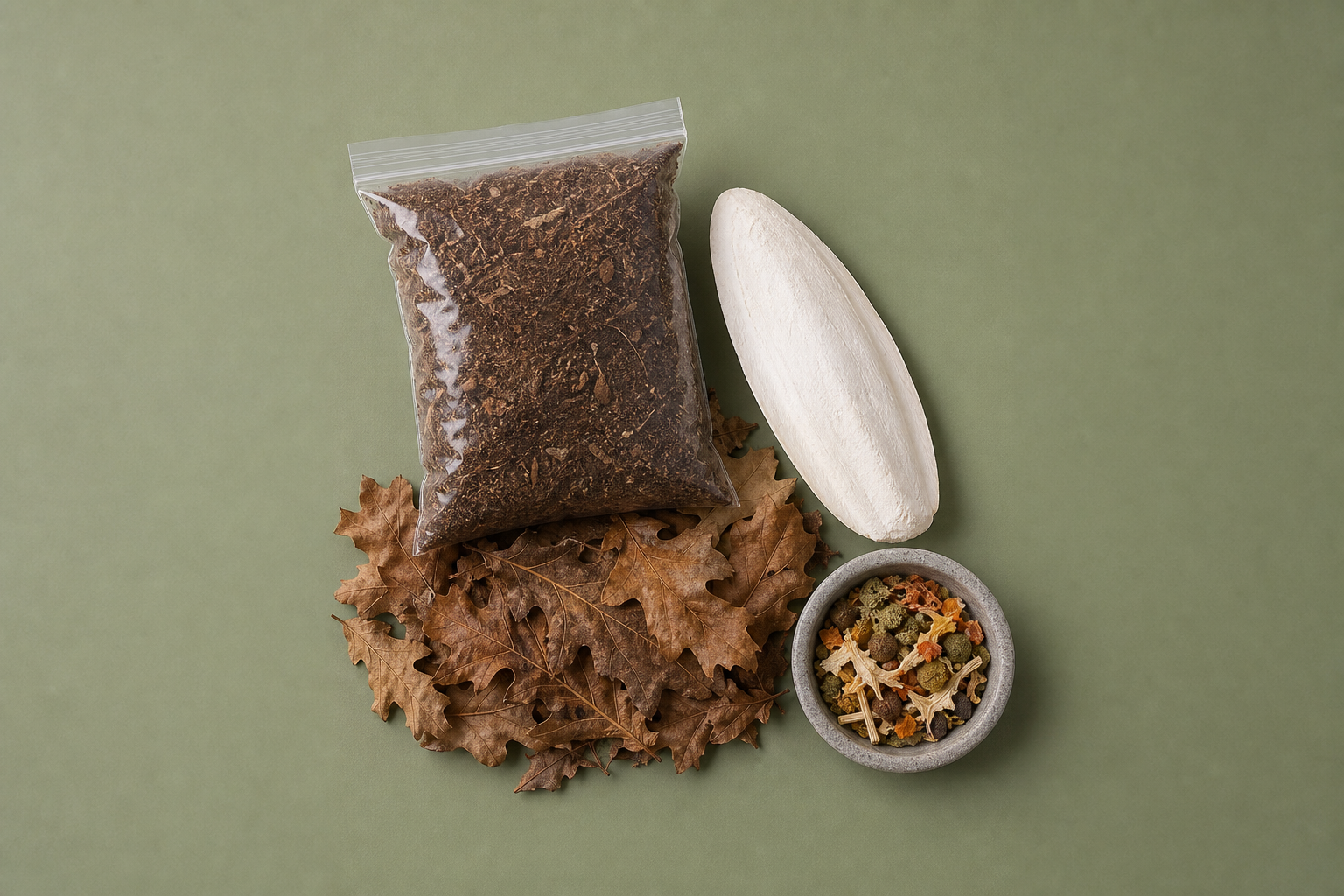
- Leaf litter (oak, magnolia) and decaying hardwood as the staple, plus vegetables and a protein source like fish flakes. A constant calcium source such as limestone is essential.
- Temperature Range:
- Maintain temperatures between 72 and 80 degrees Fahrenheit. Extreme heat or cold can prove detrimental.
- Reproduction:
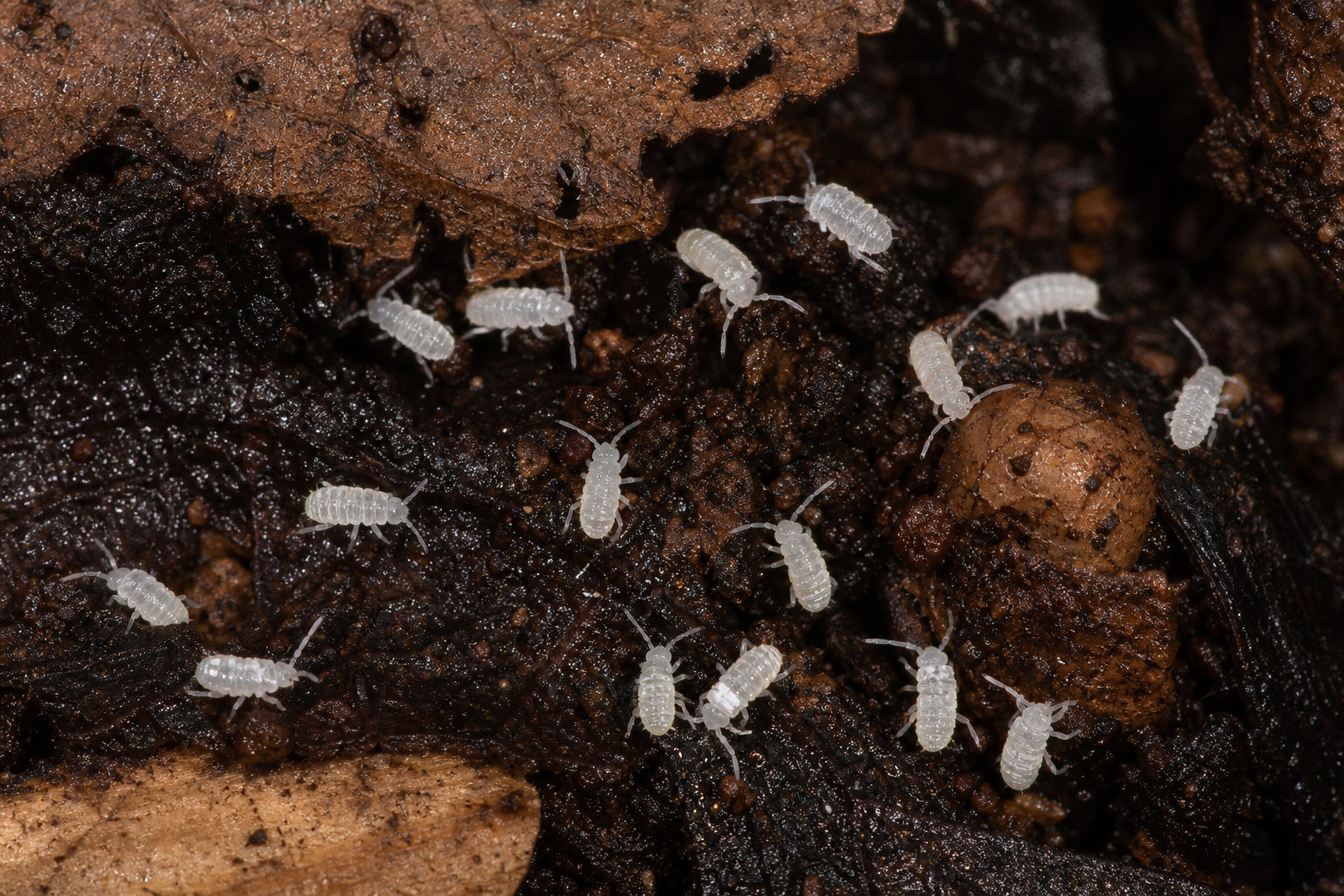
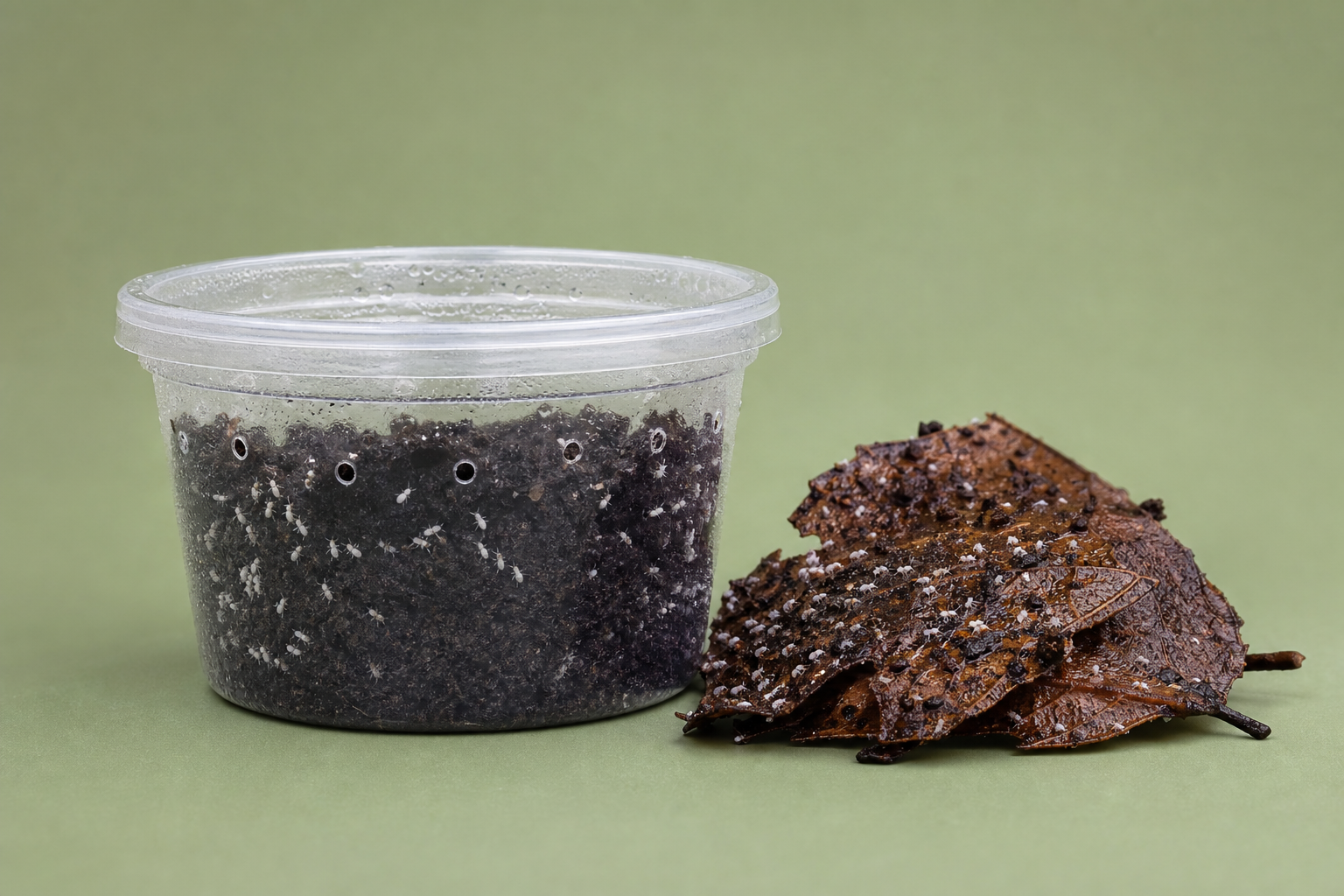
- Slow breeders with smaller broods. Be patient and try not to disturb the colony.
- Substrate:
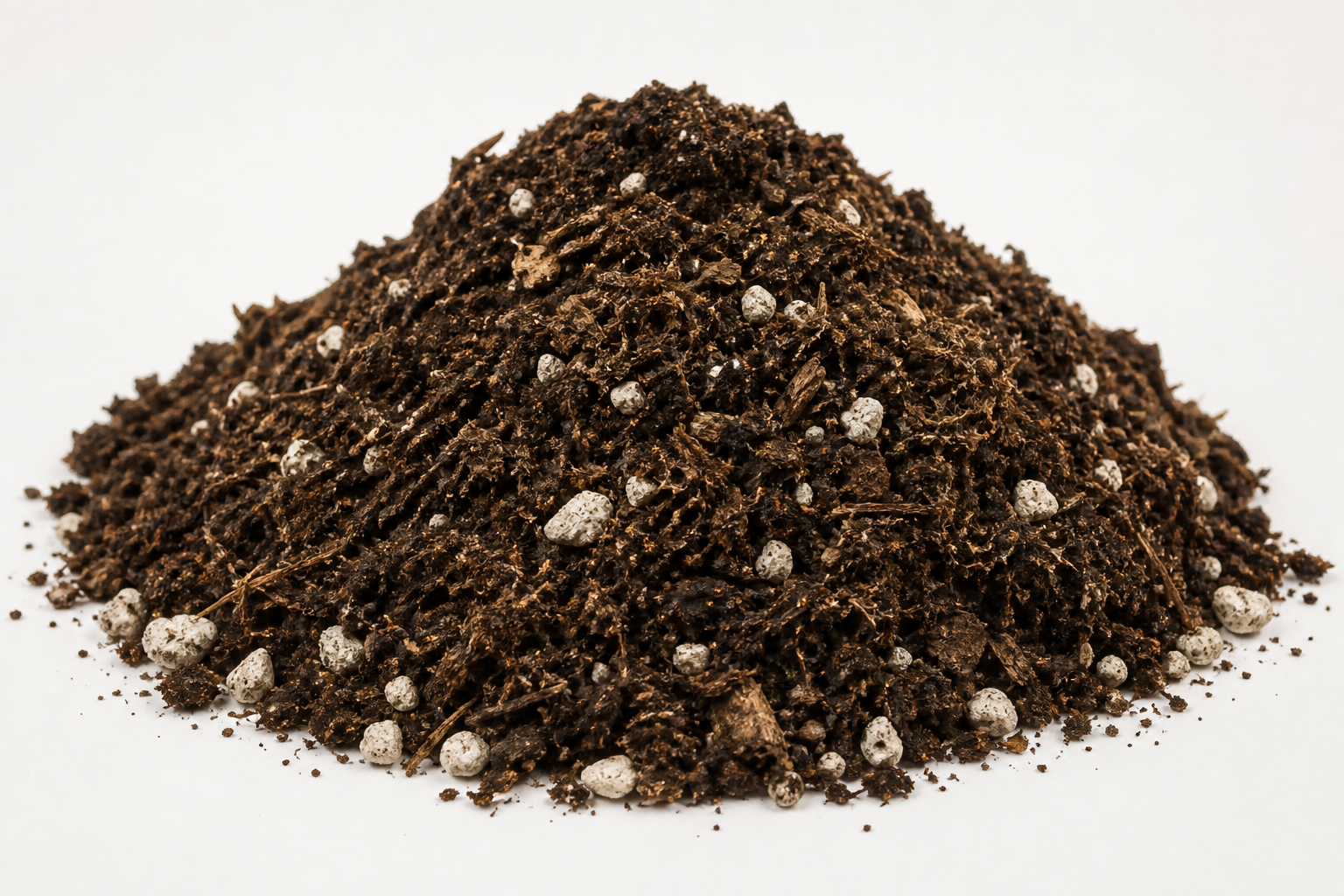
- Coconut coir or peat moss mixed with crushed limestone, kept consistently moist and topped with a deep layer of leaf litter.
- Humidity:
- Maintain high humidity (around 70–80%) paired with strong cross-ventilation. Keep one side moist to establish a gradient.