Pronunciation
KYOO-bar-iss
/ˈkjuːbərɪs/
Where they're found
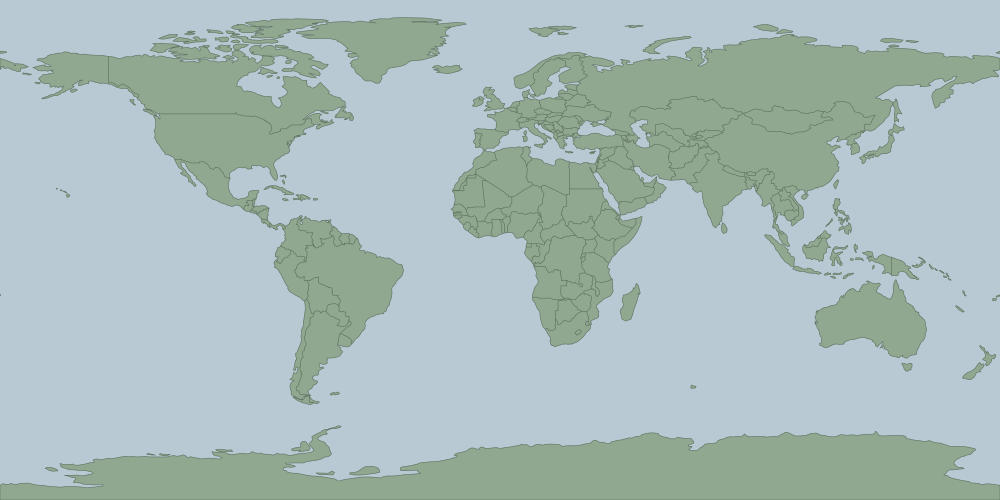
Southeast Asian origin for most hobby species; tropical humidity and limestone-rich substrates define wild habitats.
- Southeast Asia
- Thailand
- Vietnam
- Malaysia
- Java, Indonesia
- Myanmar
Understanding the Cubaris genus
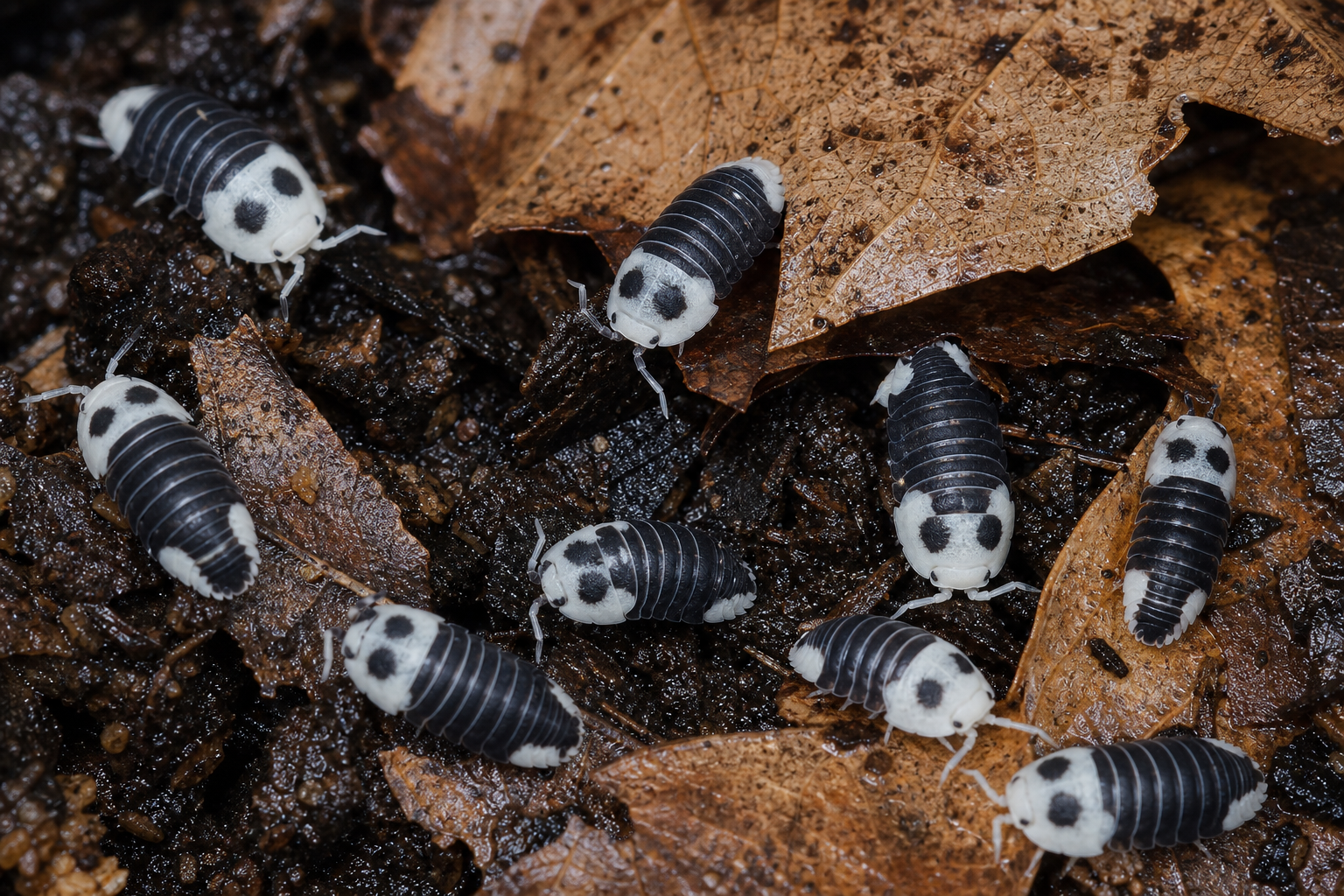
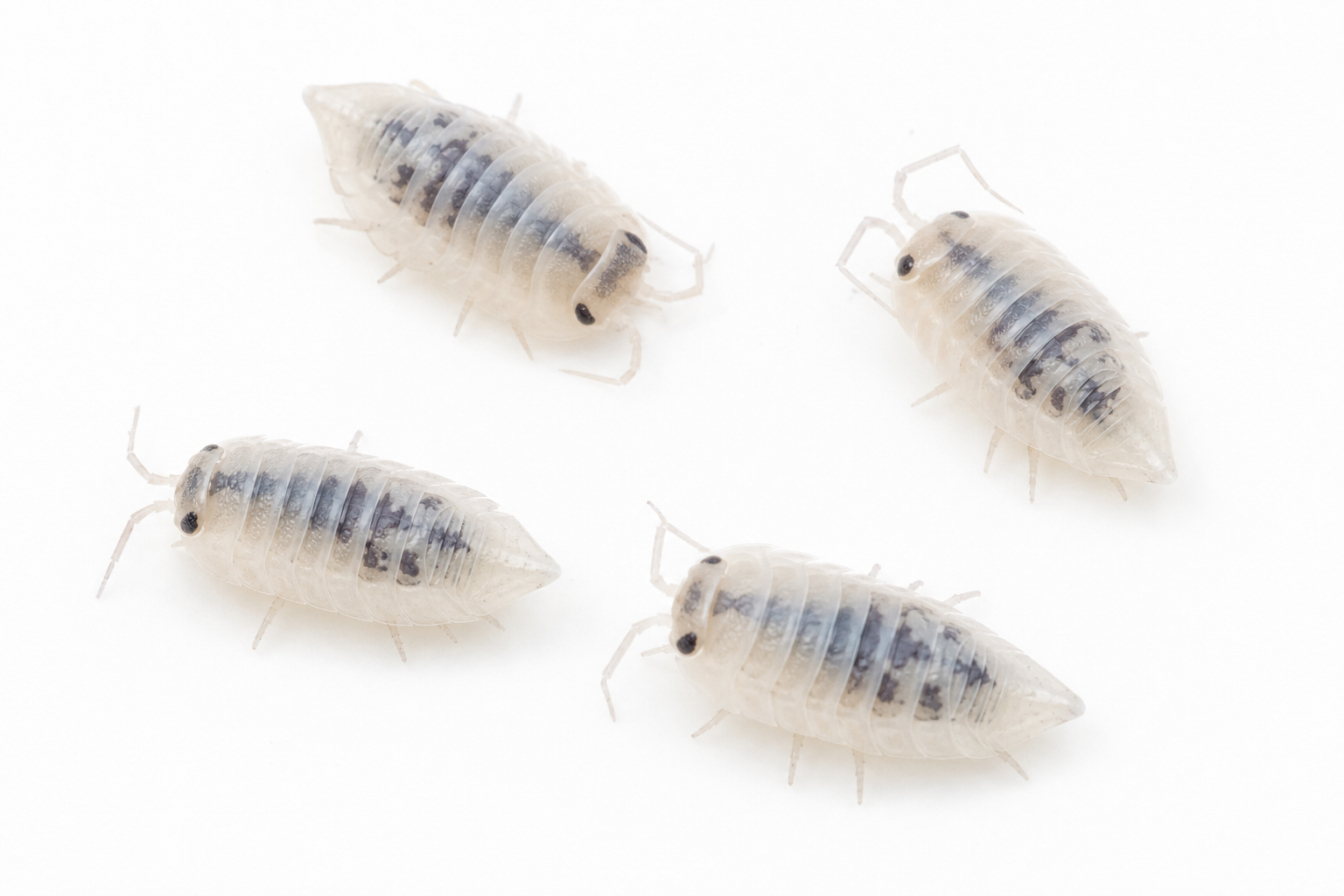
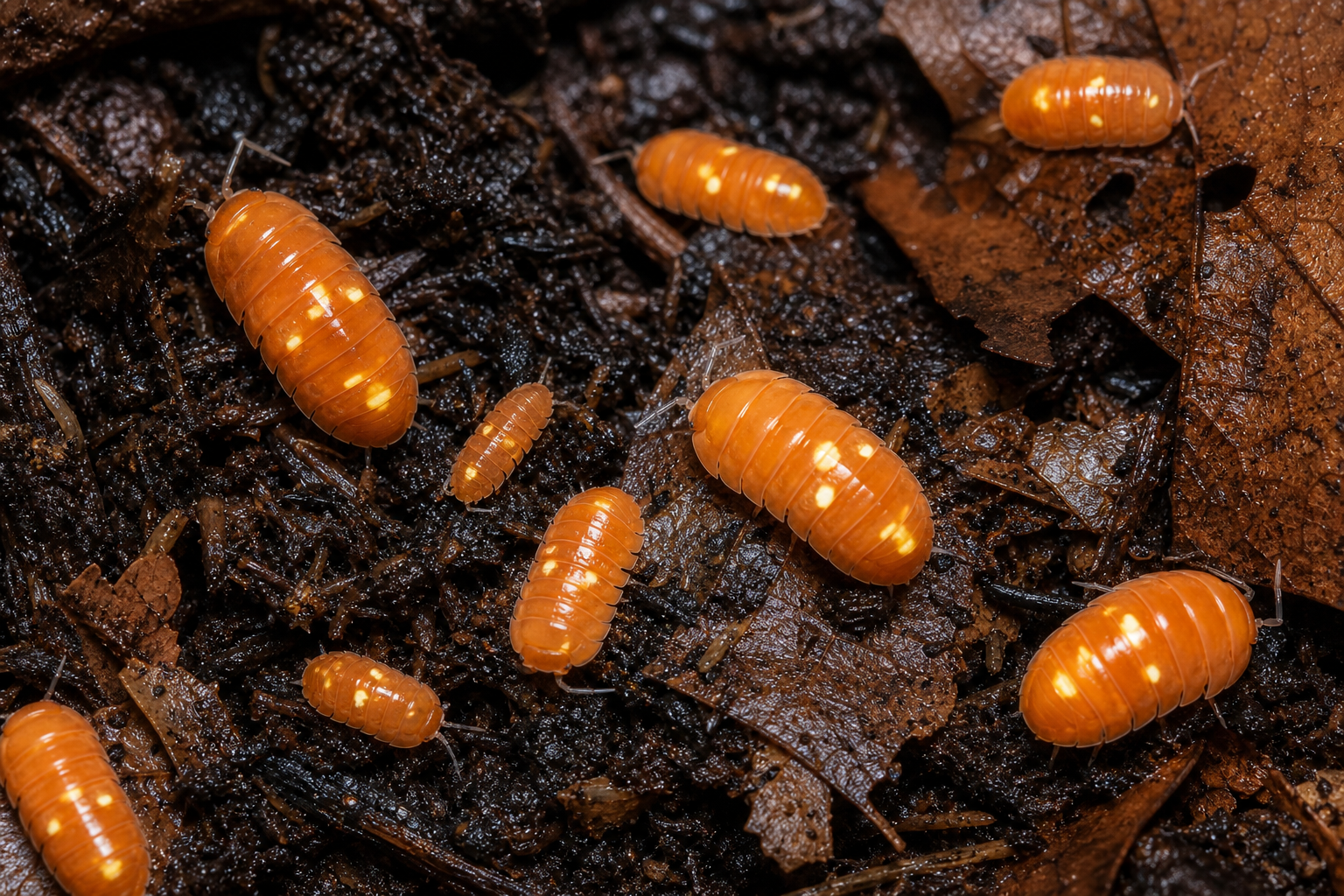
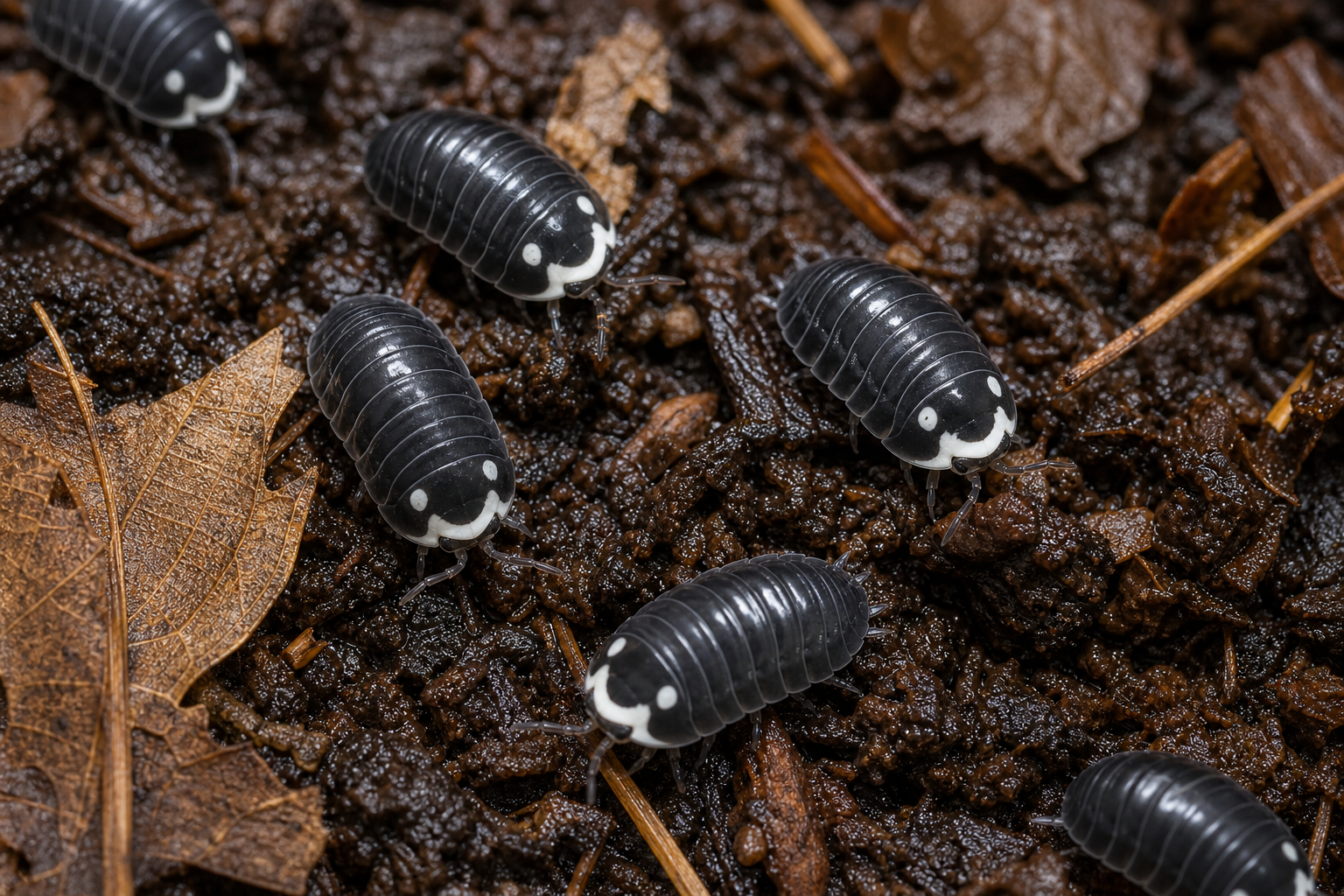
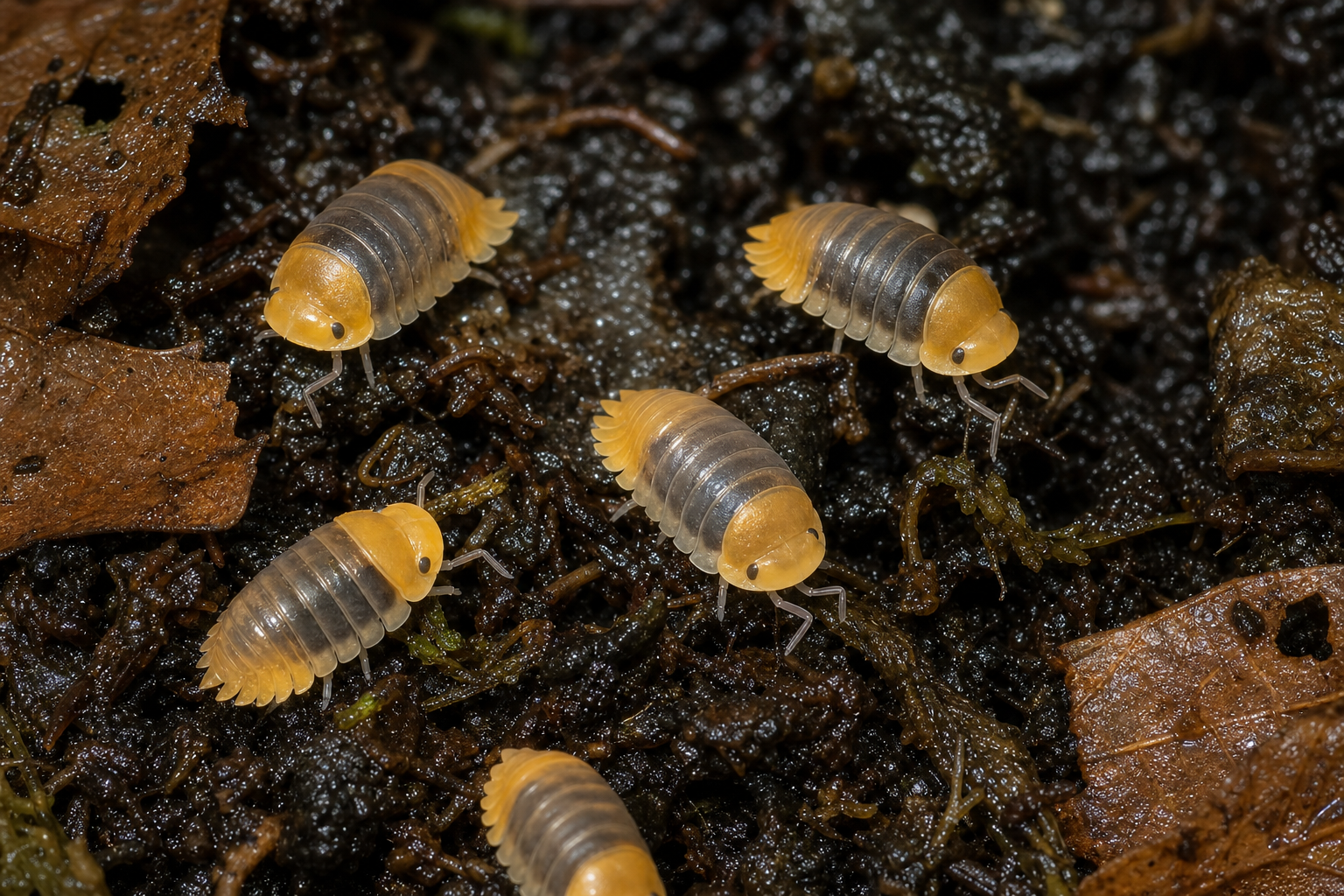
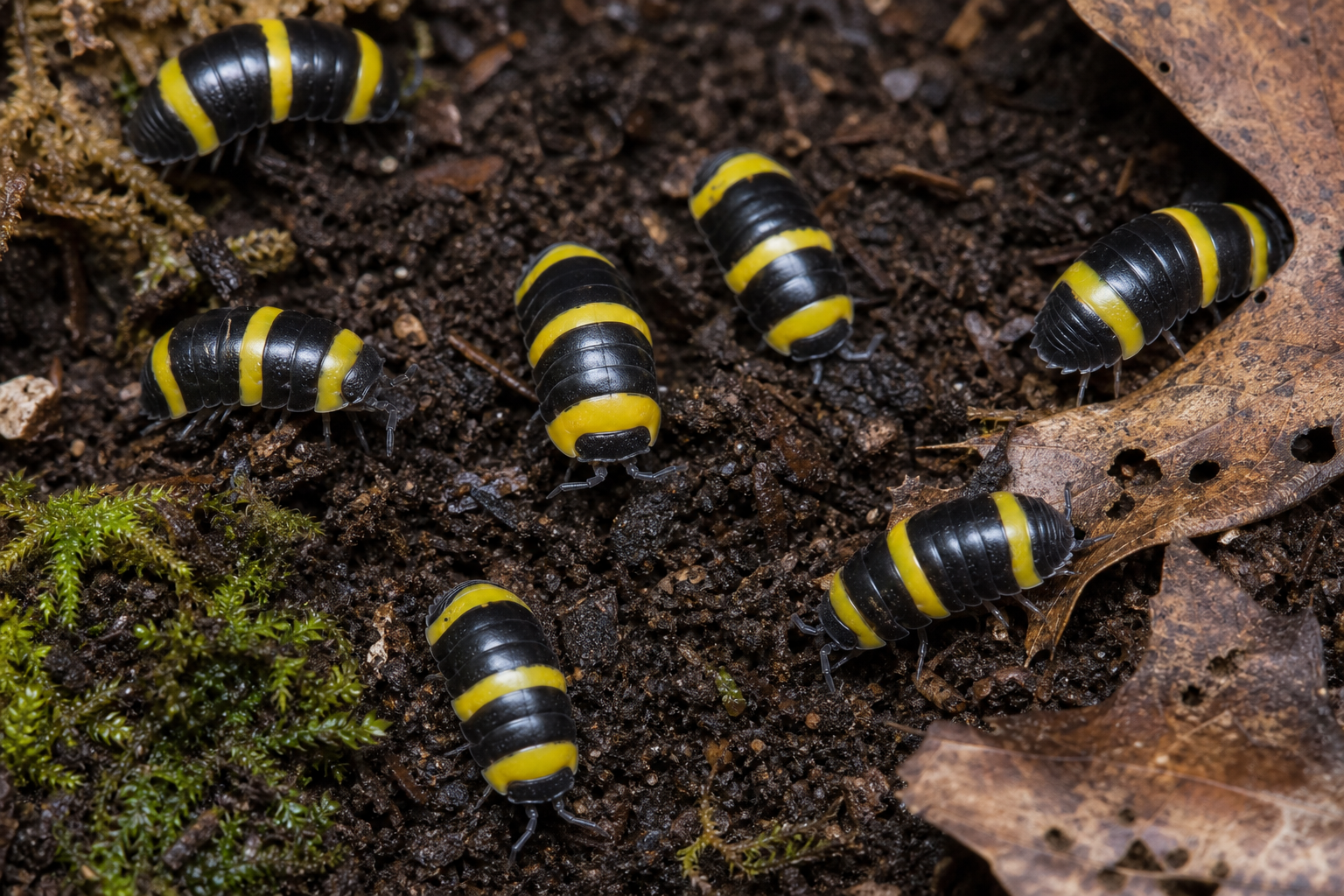
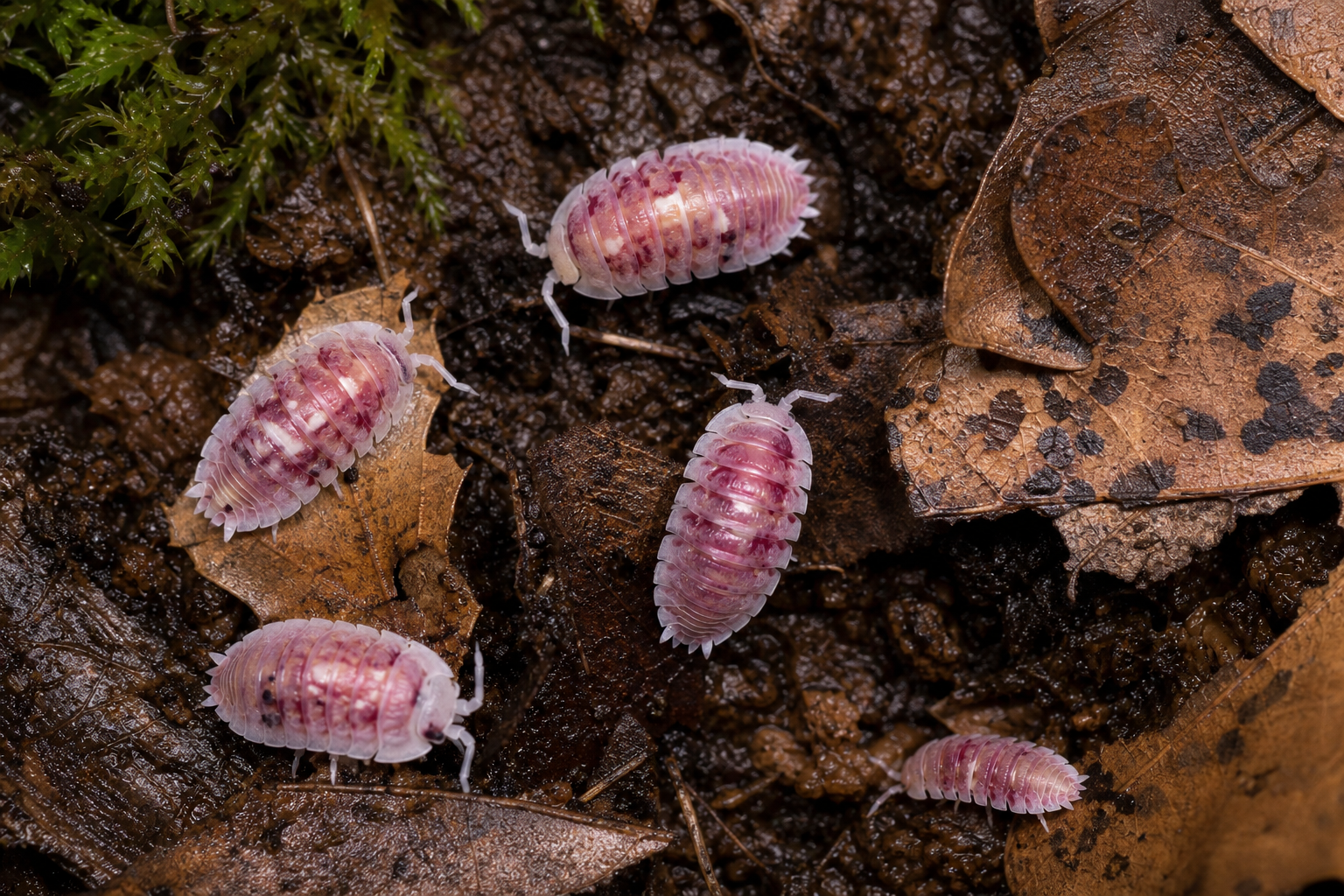
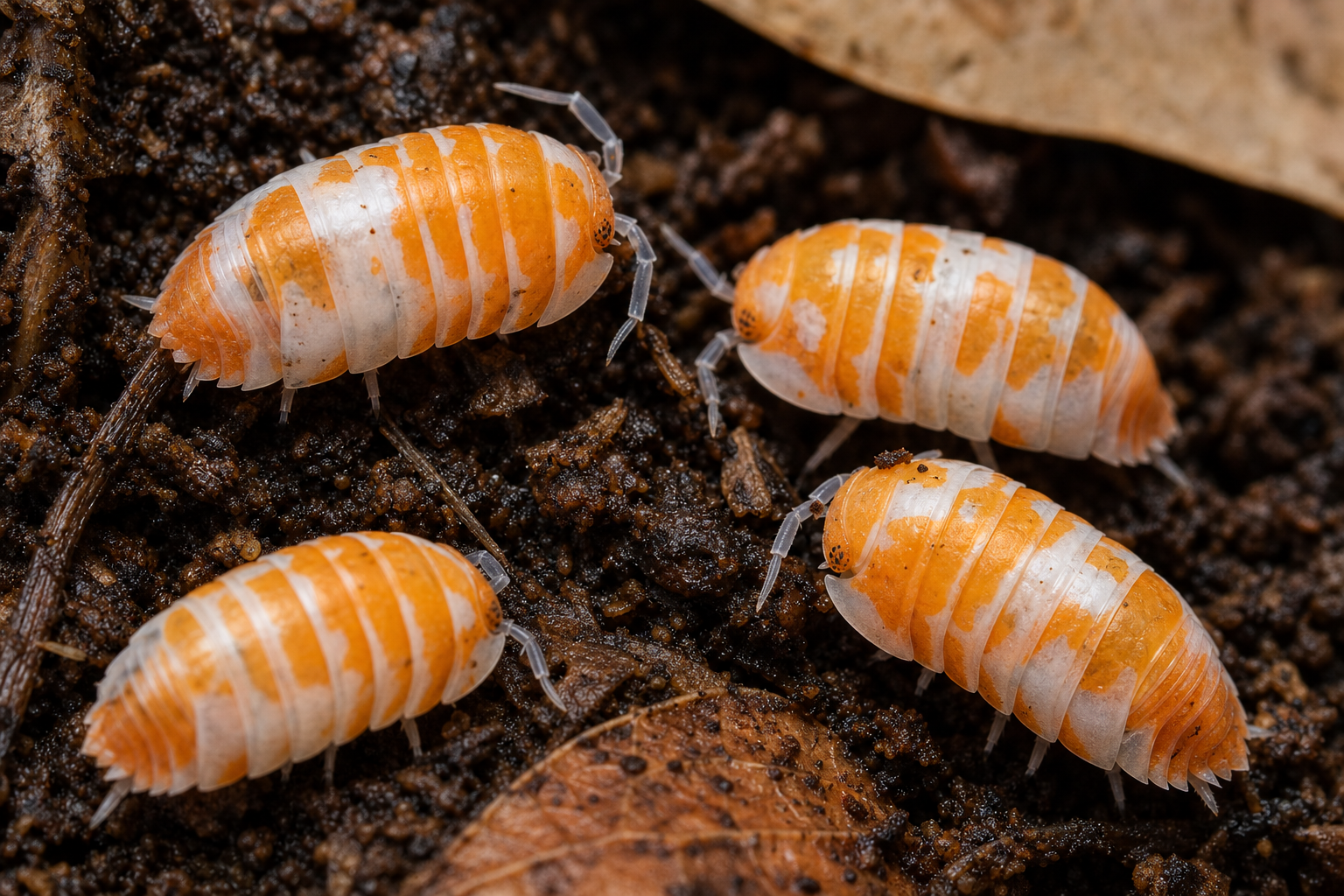
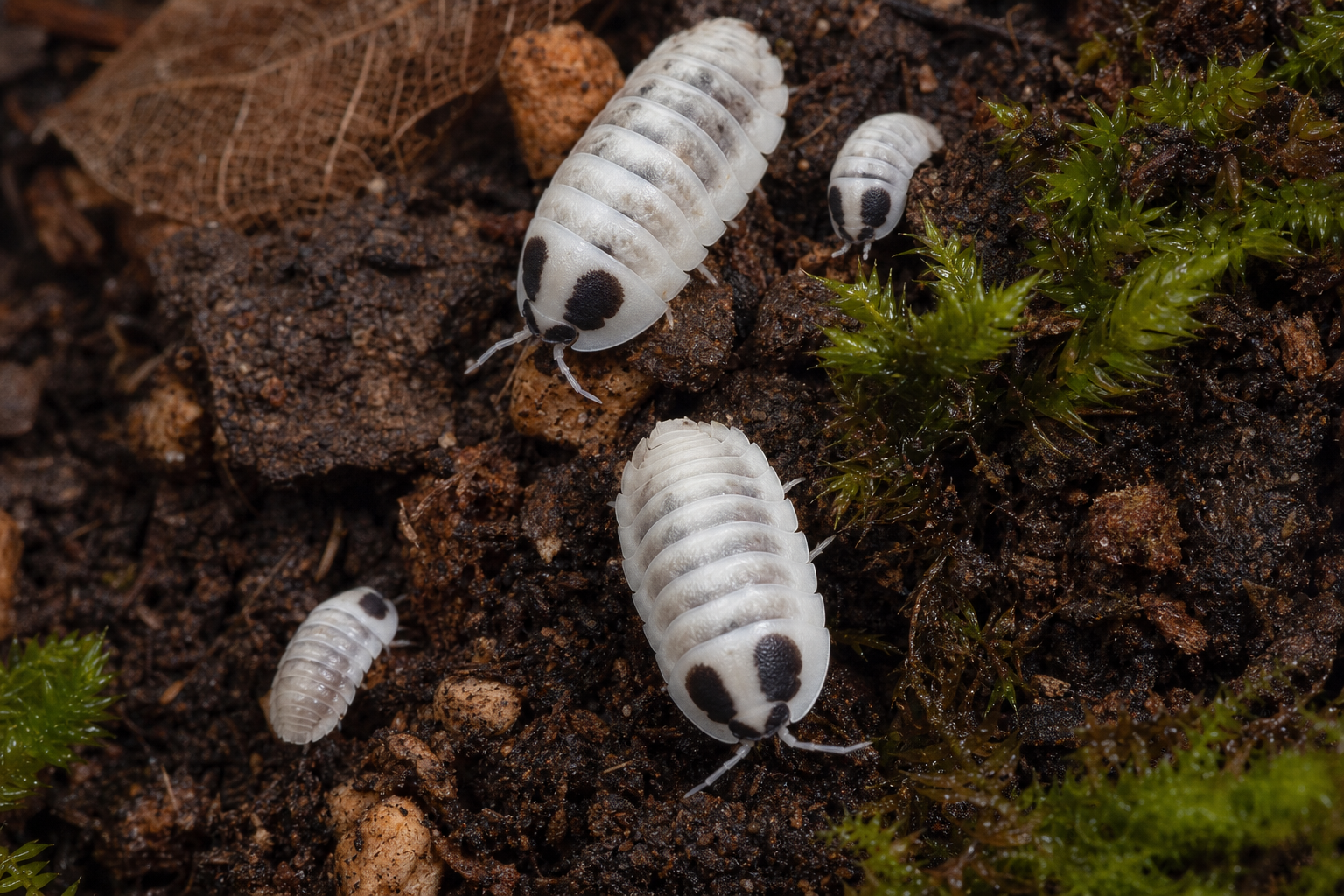
Cubaris refers to a group of tropical terrestrial isopods celebrated in the hobby for duck-faced profiles, panda colour patterns, and shy, secretive behaviour. Most trade names — Rubber Ducky, Panda King, White Shark, Cherry Blossom — are locale or line names within Cubaris or closely related genera.
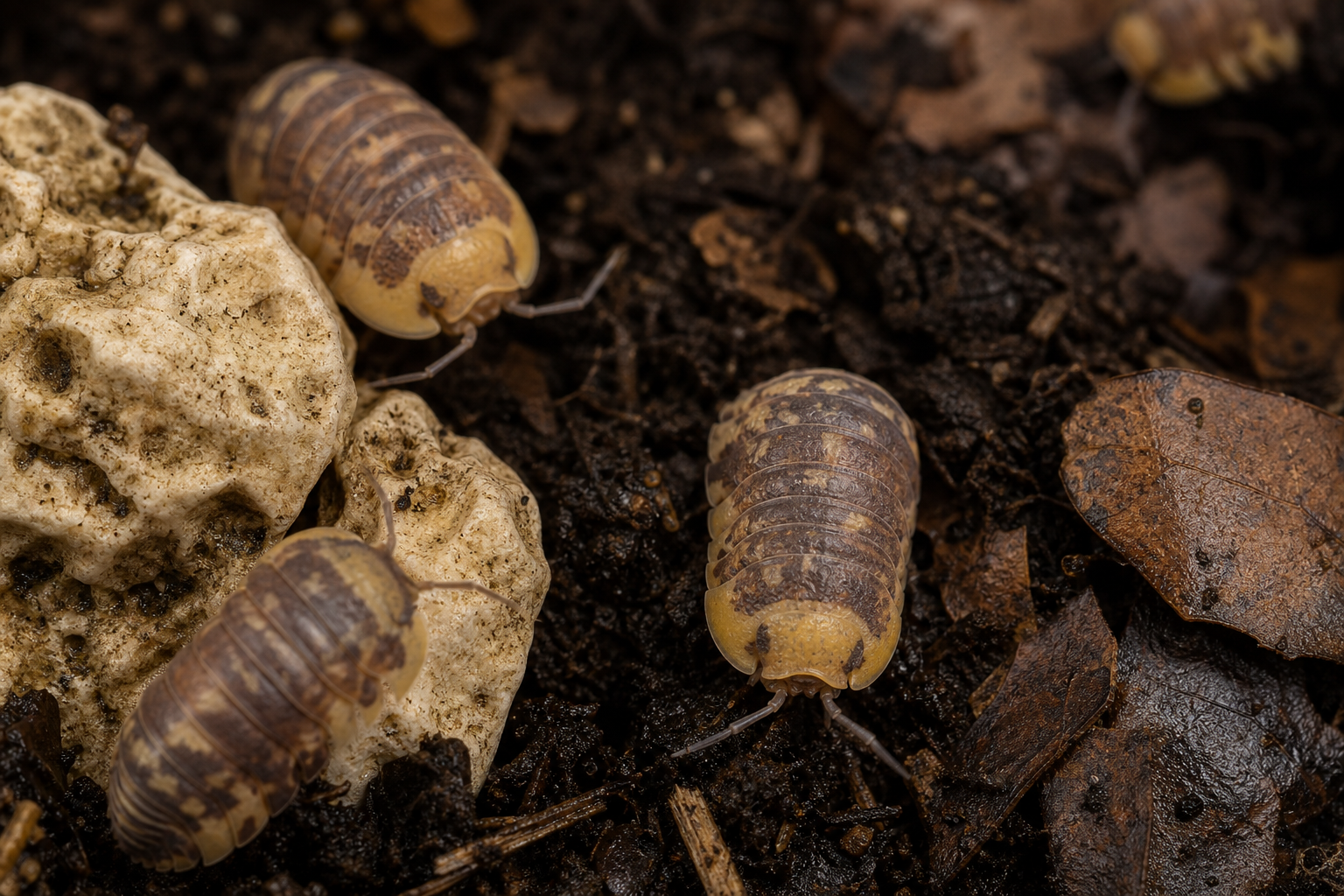
Wild Cubaris inhabit leaf litter in humid Southeast Asian forests. They need higher ambient moisture than temperate Porcellio, but equally demand airflow; stagnant tropical tubs fail quickly. Crushed limestone or coral provides calcium many keepers consider essential.
Breeding is slower than Porcellionides, which adds to their collector appeal: healthy colonies feel like an accomplishment rather than an inevitability.
Why Cubaris is popular in the hobby
Cubaris sits at the intersection of cute and prestigious. Rubber Ducky isopods became a mascot of the modern hobby, and panda-patterned morphs extended that fame. Rarity, price, and distinctive head shapes keep demand high among intermediate keepers.
They are not beginner species in the strictest sense — humidity, ventilation, and calcium must be balanced — but successful cultures are long-lived and visually rewarding.
Habitat, care, and collection appeal
Use cross-ventilated 6 qt tubs, deep substrate, oak and magnolia leaf litter, cork hides, and tropical springtails for mould control. Target 75–85 % humidity with air exchange, not a sealed wet box.
Feed lightly: leaf litter is the staple; protein supplements should be offered sparingly. For collectors, Cubaris represents the tropical speciality corner of a shelf — species with personality, story, and region-specific charm tied to Southeast Asia.